

Cold chain shipping products are the backbone of temperature-sensitive logistics. From pharmaceuticals to gourmet foods, these specialized packaging systems ensure products remain within precise temperature ranges during transit.
Choosing the right cold chain shipping products is not simply about keeping items cold. It is about reducing risk, maintaining compliance, and protecting brand integrity. In this guide, we break down how insulated shipping containers, gel ice packs for shipping, and temperature-controlled packaging systems work together to deliver reliable results.
Temperature excursions are more common than many businesses realize.
Industry research estimates that up to 20 percent of temperature-sensitive pharmaceutical shipments experience temperature deviations during transit. Even minor exposure outside required ranges can compromise efficacy.
Pharmaceutical cold chain packaging must maintain strict temperature ranges such as 2–8°C or frozen conditions below 0°C. A failure of insulation, refrigerant performance, or transit planning can invalidate entire batches.
For food and biotech shipments, the risk includes spoilage, contamination, and liability exposure. Proper cold chain shipping products act as insurance against these outcomes.
Selecting packaging should begin with data, not guesswork.
Longer shipping times require higher-performing insulation and refrigerants. Foam refrigerant bricks may outperform standard gel ice packs in extended shipments.
Different products freeze at different temperatures. Verify freeze point and hold time specifications align with product requirements.
Square containers benefit from rigid foam refrigerants that line walls evenly. Flexible gel ice packs work well for irregular loads.
Pharmaceutical cold chain packaging may require documented validation testing and temperature monitoring.
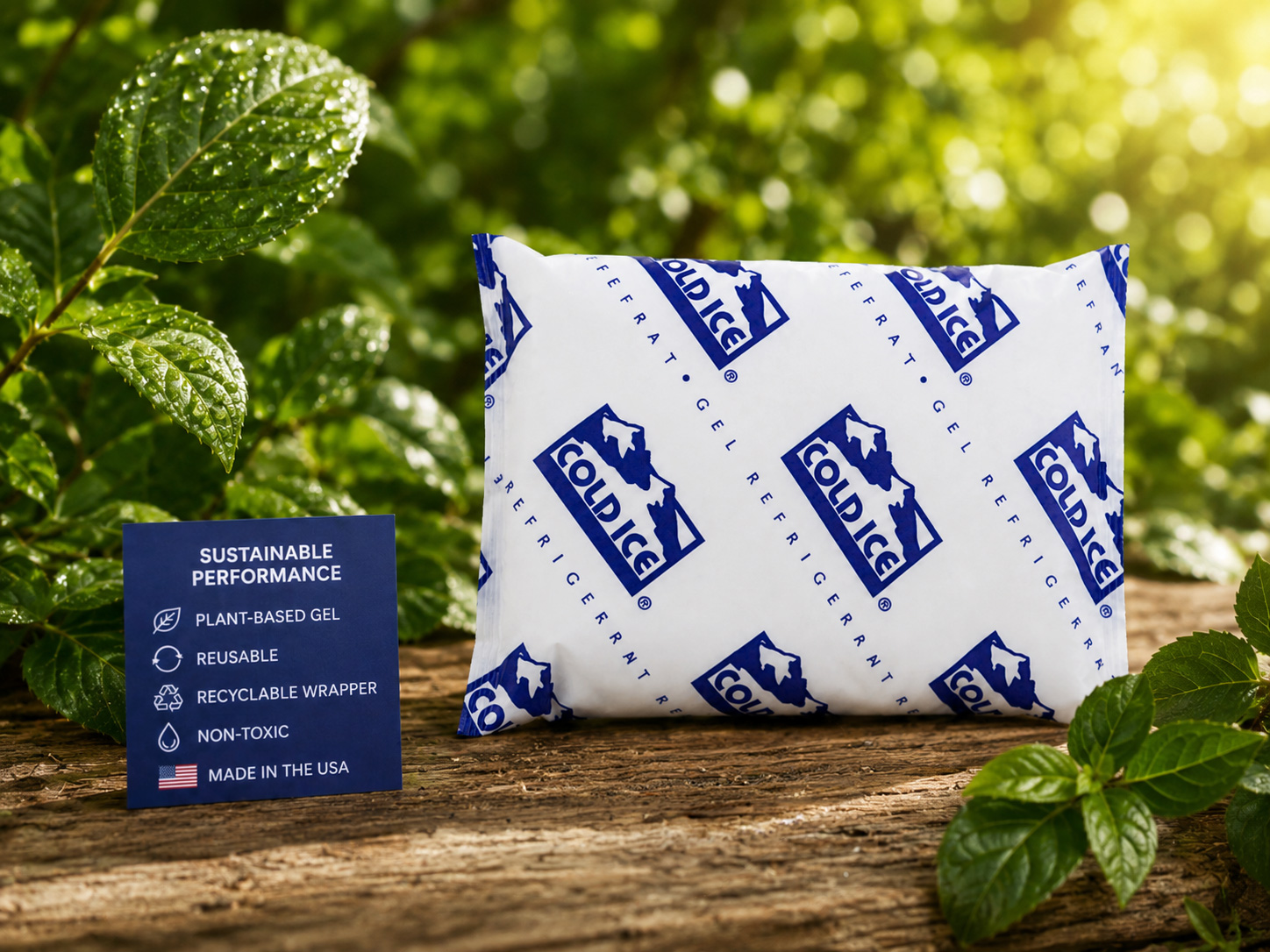
Many companies now prioritize biodegradable gel ice, recyclable liners, and reduced packaging weight to support ESG initiatives.
The right cold chain shipping products balance performance, compliance, and cost efficiency.
Avoiding these mistakes improves shipment reliability and reduces costly reships
To maximize efficiency, businesses should periodically audit their thermal packaging performance under real-world transit conditions. Testing insulation materials against seasonal temperature fluctuations helps prevent unexpected product degradation. Partnering with experienced thermal design specialists enables companies to engineer customized solutions that minimize the weight of bulk packaging. By reducing the package’s dimensional size while maintaining core thermal integrity, shippers can significantly lower overall freight costs without sacrificing critical product safety.
The industry is evolving rapidly.
As regulations tighten and supply chains globalize, businesses increasingly rely on engineered cold chain systems rather than off-the-shelf packaging.
Cold chain shipping products protect more than temperature. They safeguard product integrity, regulatory compliance, and brand reputation.
By combining high-quality gel ice packs for shipping, properly engineered insulated shipping containers, and data recorders and loggers, businesses can ship with confidence.
If your shipments require consistent temperature control, evaluate your current packaging strategy and request a cold chain assessment from a qualified manufacturer. The right system prevents risk before it happens.